
- 10
- June
Parth Raval
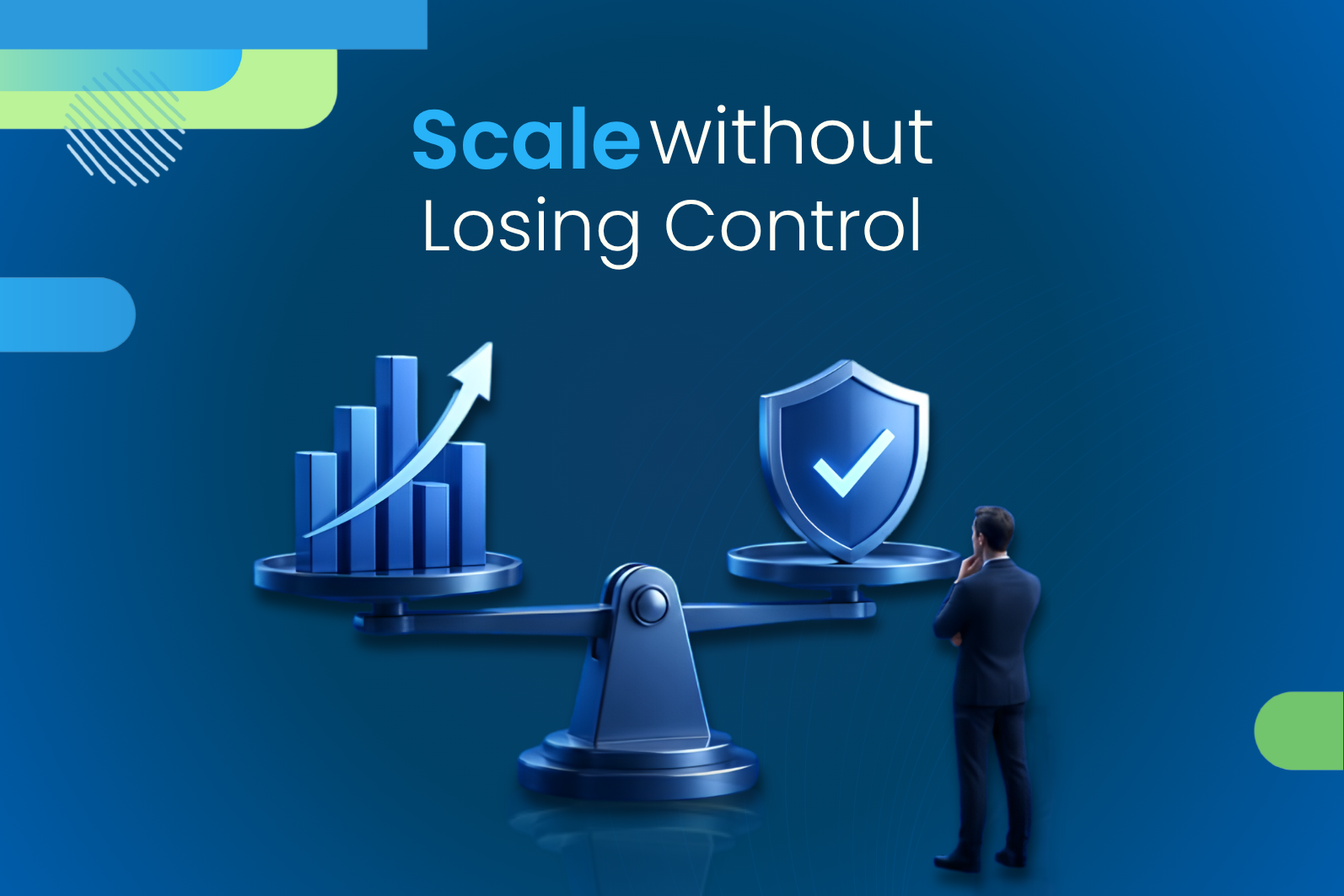
Service Businesses Do Not Scale Through Headcount Alone
Many growing businesses assume that hiring more people will naturally improve delivery capacity. In reality, growth without proper planning often creates more operational complexity. As teams expand, responsibilities overlap. Communication increases. Dependencies become harder to manage. Managers spend more time checking updates, reallocating tasks, resolving scheduling conflicts, and following up across departments. Without structured coordination, larger teams can actually slow execution rather than improve it.Team Efficiency Matters More Than Team Size
The businesses that scale successfully are not always the ones with the biggest teams. They are the ones with better operational visibility, clearer workflows, and stronger coordination systems. When teams understand priorities, workloads, ownership, and timelines clearly, execution becomes smoother across the organization.The Hidden Bottleneck Most Teams Do Not Notice
Poor resource planning rarely appears as one major operational failure. Instead, it builds slowly through small daily inefficiencies that compound over time.- Work Moves Faster Than Visibility: Projects continue moving, but managers lack clear visibility into team bandwidth, delivery timelines, and execution progress. As a result, decisions are often made with incomplete information.
- Managers Become Coordination Hub: Instead of focusing on strategy and leadership, managers spend large portions of the day resolving bottlenecks, checking statuses, and manually coordinating work between teams.
- Teams Lose Clarity on Priorities: Frequent priority changes create confusion. Employees shift constantly between urgent requests instead of following structured workflows.
- This reduces focus and affects execution quality. : Small Scheduling Gaps Become Larger Operational Delays
What Poor Resource Planning Looks Like in Daily Operations Most service businesses experience planning issues long before they formally recognize them. The signs usually appear inside everyday workflows.
Teams Juggling Overlapping Responsibilities Employees often handle multiple priorities simultaneously without proper workload balance.
High Performers Carrying Uneven Workloads Reliable employees gradually become overloaded while other resources remain underutilized.
Reactive Scheduling Replaces Structured Planning Daily operations become dependent on constant adjustments instead of predictable execution systems.
Customer Commitments Are Made Without Capacity Visibility Sales or operational teams commit to timelines without understanding actual team availability.
Teams Spend More Time Coordinating Than Executing Communication begins consuming more energy than the work itself. When this becomes normal, operational efficiency starts declining even if the business continues growing.
Why Manual Coordination Starts Breaking at Scale Manual systems may work during the early stages of growth, but they become difficult to manage as operations expand.
Spreadsheet Dependency Creates Delays Tracking workloads manually limits real-time visibility and slows decision-making.
Communication Gets Scattered Across Multiple Platforms Updates become fragmented across emails, calls, spreadsheets, chats, and disconnected systems. Teams often work with outdated or incomplete information.
Approval Chains Slow Execution Without centralized workflows, approvals, and dependencies, unnecessary delays occur across departments.
Leadership Operates Without Clear Operational Visibility Managers struggle to understand execution progress, workload distribution, and operational bottlenecks in real time.
Manual Follow Ups Create Execution Gaps Teams become dependent on individuals constantly checking statuses and pushing workflows forward manually. As service businesses grow, this coordination model becomes increasingly difficult to sustain. This is where Bizio helps businesses create more connected operational workflows with better visibility across teams, tasks, and execution processes.
The Business Impact of Poor Resource Planning The impact of poor resource planning extends far beyond scheduling issues. It directly affects profitability, execution quality, customer experience, and long-term scalability.
Slower Execution Despite Larger Teams More employees do not automatically improve delivery speed when coordination systems remain weak.
Burnout From Uneven Task Distribution Poor workload balance creates pressure on key employees and affects long-term team performance.
Revenue Opportunities Get Delayed Businesses often struggle to take on new opportunities because they lack visibility into actual team capacity.
Customer Trust Gets Affected Inconsistent timelines and delayed responses gradually affect customer confidence.
Managers Spend More Time Coordinating Than Leading Leadership focuses shift from growth and strategy toward operational firefighting. Over time, operational friction becomes increasingly expensive for growing businesses.
Resource Planning Is Becoming a Competitive Advantage Modern service businesses compete differently today. Speed, coordination, visibility, and responsiveness now influence customer experience as much as service quality itself.
Visibility Improves Responsiveness Teams can react faster when workloads, timelines, and priorities are clearly visible.
Better Coordination Improves Delivery Confidence Connected operations reduce dependency bottlenecks and improve execution consistency.
Capacity Awareness Supports Better Decisions Businesses make stronger operational decisions when they understand resource availability in real time.
Structured Planning Creates Operational Stability Better planning reduces operational chaos as organizations scale. Businesses that improve coordination gain a major advantage in execution quality and customer satisfaction.
What Modern Resource Planning Looks Like Modern resource planning is no longer limited to schedules and spreadsheets. It is built around connected operational visibility. Modern service businesses now require:
- Real-time workload tracking
- Centralized operational visibility
- Clear ownership across teams
- Smarter task prioritization
- Faster cross-department coordination
- Better forecasting for the upcoming demand
- Structured workflow management
How Bizio Helps Service Businesses Improve Resource Planning
Bizio helps service businesses improve operational coordination by bringing workflows, teams, tasks, and visibility into one connected system. Instead of relying on fragmented communication and manual follow-ups, businesses can manage operations through centralized visibility and structured workflow execution.Unified Visibility Across Operations
Teams gain better visibility into tasks, priorities, responsibilities, and execution flow.Better Coordination Between Departments Connected workflows improve collaboration and reduce communication gaps between teams.
Reduced Dependency on Manual Follow-Ups Operational progress becomes easier to track without constant status checks and repeated coordination.
Improved Workload Management Businesses can distribute tasks more effectively and reduce resource imbalance across teams.
Faster Response to Changing Priorities Teams can adapt quickly while maintaining operational clarity.
Improved Leadership Visibility Leadership teams gain clearer insight into execution progress, workload distribution, and operational performance. As service businesses grow, Bizio helps teams maintain execution consistency without increasing coordination complexity.
Building a More Scalable Service Business Sustainable growth depends heavily on operational clarity. Businesses that continue relying on reactive coordination often struggle as operational complexity increases. Businesses that build structured visibility and connected workflows are better positioned to scale efficiently. Resource planning is no longer just an operational activity. It directly affects execution quality, profitability, team performance, and customer experience. Modern service businesses need systems that support visibility, coordination, and execution at scale. Bizio helps service businesses build that operational foundation by improving how teams plan, coordinate, and execute work across the organization.