- 23
- September
Introduction
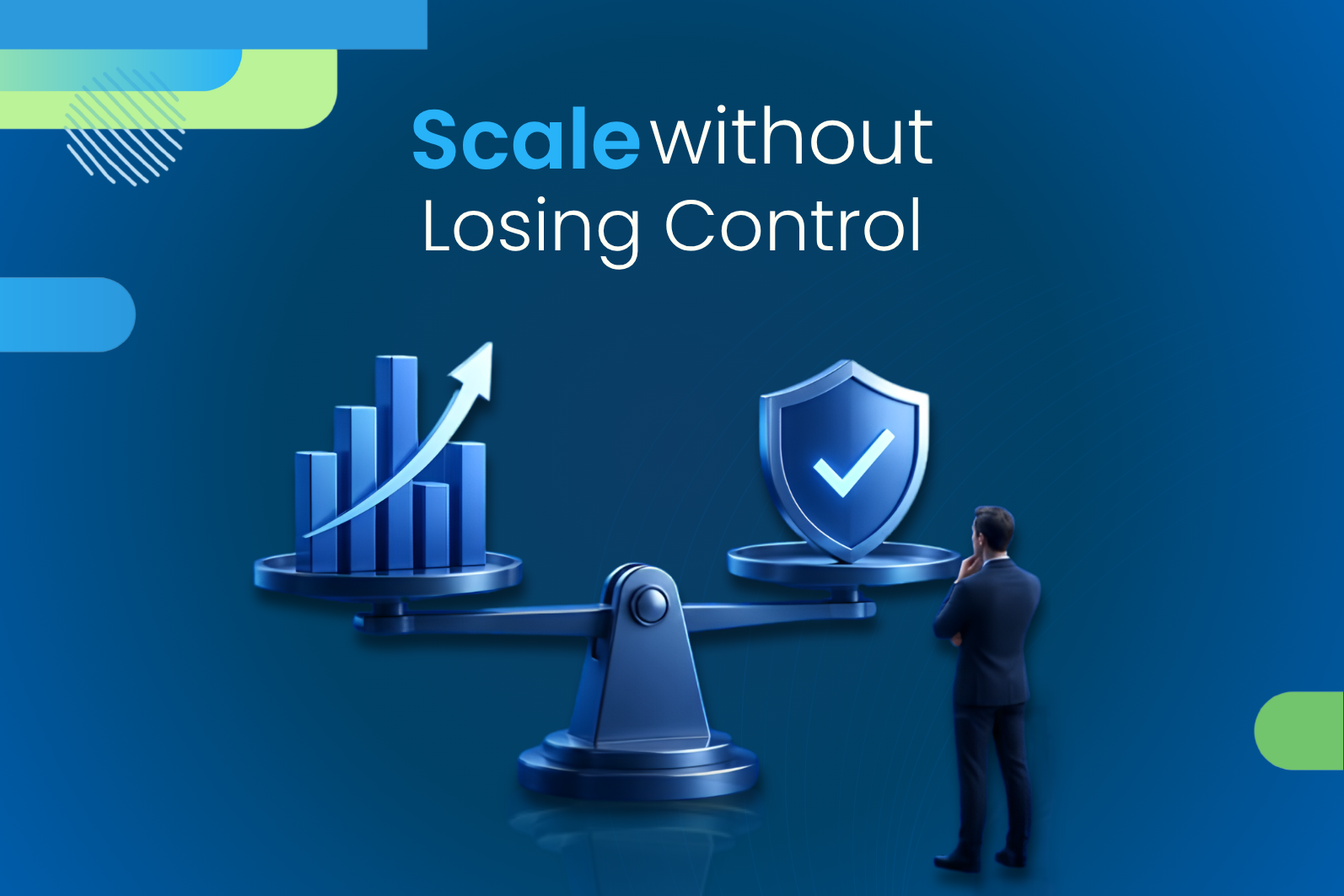
Many service businesses can manage manual processes in the early stages. A spreadsheet to track projects. Emails for approvals. Documents stored across different folders. Messages used for quick updates. As businesses grow, this changes. More clients, more projects, more team members, and more compliance requirements mean visibility and control matter more than they did at a smaller scale, and this is exactly where the compliance risks of manual processes start to surface. These risks often stay hidden until a business faces an audit, a client verification request, or an internal review, and needs to prove that the right processes were followed, the right approvals were received, and the right actions happened at the right time. Structured workflows help businesses stay compliant by turning documentation, approvals, and visibility into a natural part of daily operations instead of a scramble before a deadline.1.Understanding Compliance Risks of Manual Processes
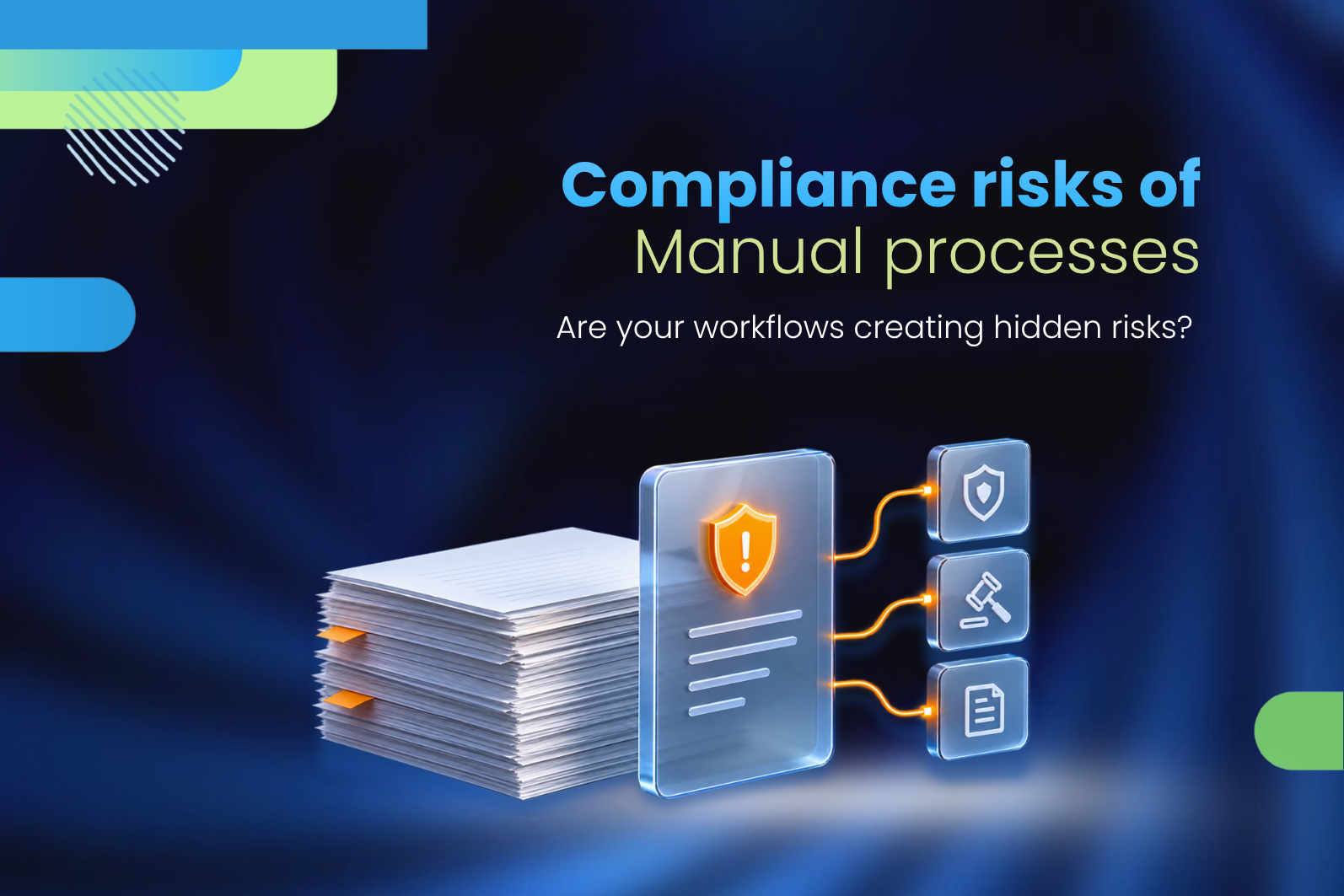
What Are Manual Process Risks? Manual process risks come from depending on spreadsheets, emails, and disconnected tools to run day-to-day operations. Each tool holds a piece of the picture, but no single place holds all of it. This creates a lack of visibility, consistency, and accountability. When information about a project, a client, or an approval lives in someone's inbox or a single spreadsheet tab, it becomes difficult to verify what actually happened.Why Manual Processes Create Compliance Gaps Manual workflows tend to create the same three gaps repeatedly:
- Missing documentation — updates that exist in one person's email or a single chat thread, never captured anywhere central
- Unclear approvals — decisions confirmed informally, with no consistent record of who approved what and when
- Difficulty tracking changes and responsibilities — no reliable way to trace who changed a document, or who owns a task, once time has passed
2. Common Manual Process Risks Affecting Service Business Compliance
Incomplete Documentation and Record Keeping Accurate records matter because audits and client reviews ask for proof, not memory. A project update buried in an email, or a client requirement only discussed in a meeting, is difficult to produce on demand. Scattered information creates compliance challenges because reconstructing what happened after the fact takes far longer and is far less reliable than having it recorded as part of the normal workflow.Lack of Approval Tracking Informal approvals through emails and messages keep work moving, but they leave a weak trail behind. A manager's email approval or a client's message confirming a change is easy to lose track of over time. This creates real difficulty proving ownership and decision history. Compliance often requires showing who approved an action, when, and why, and informal channels rarely make that easy to retrieve.
Manual Errors and Data Inconsistency Repeated manual data entry across multiple systems introduces predictable problems:
- Duplicate data entry, where the same information is logged more than once
- Incorrect updates, where one system reflects a change that another hasn't caught up to
- Inconsistent reporting across teams, where different departments are effectively working from different versions of the truth
Limited Operational Visibility When operations run manually, leaders often struggle to understand project status and compliance readiness at a glance. They may not know which projects are delayed, which approvals are pending, or whether required documentation actually exists. The impact of disconnected workflows compounds here: gaps stay invisible until someone goes looking for them, usually under time pressure.
3. How Workflow Automation Reduces Compliance Risks
Creating Consistent and Documented Workflows Standardized processes reduce errors by replacing "everyone does it their own way" with a defined, repeatable sequence of steps. When every task follows the same structure, every action becomes easier to track, because it's logged the same way every time.Automating Approvals and Task Tracking Automation creates clear ownership and accountability by assigning tasks to defined owners and logging approvals as they happen. This produces an automatic record of completed activities, so no one has to reconstruct a decision trail from memory later.
Improving Compliance Visibility Through Connected Data Disconnected systems create information gaps between project updates, financial data, and client communication. A connected operational system brings this information together, giving teams one source of truth for projects, teams, clients, and operations.
4. Why Compliance Automation Matters for Growing Service Businesses
Moving From Reactive Compliance to Proactive Compliance Many businesses only think about compliance when an audit is approaching, which creates unnecessary last-minute pressure. Compliance automation shifts this by preparing continuously instead of only during audits, so organized information is always available rather than assembled after the fact.Reducing Administrative Work Manual compliance management consumes real team time: searching for information, updating records, following up on approvals, preparing reports. Automation means less manual follow-up and more focus on execution and delivery.
Building Audit-Ready Operations Naturally The goal isn't to add more compliance activities on top of everything else. It's to show how daily workflows can create the documentation businesses need, so audit-readiness becomes a side effect of good operations rather than a separate project.
5. How Bizio Helps Service Businesses Reduce Compliance Risks
Growing service businesses need more than individual tools. They need connected operations, and this is where Bizio fits in.Connected Project and Workflow Management Bizio makes it possible to track tasks, timelines, responsibilities, and deliverables in one place, creating a clear record of how work actually moves through the business.
Automated Documentation and Approval Trails With structured workflows, businesses maintain clear records of task completion, approvals, and project changes without additional manual effort.
Centralized Operational Visibility Bizio keeps teams aligned with real-time information, so decisions are made from a shared view instead of a search across scattered tools.